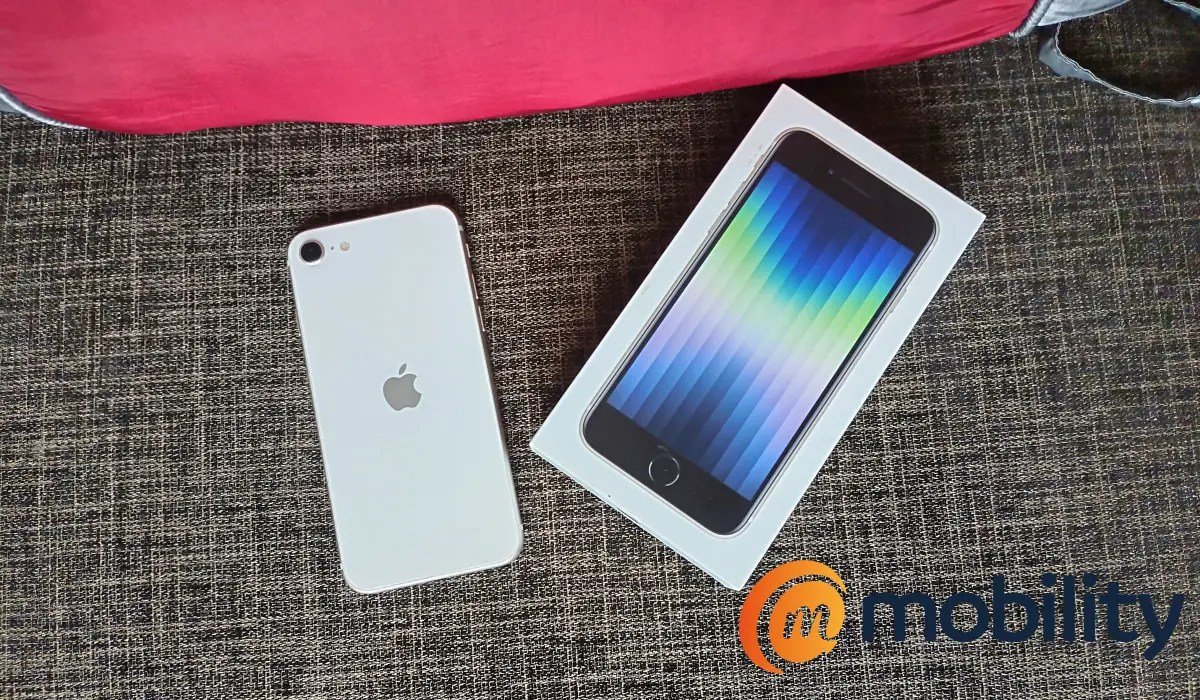
The smartphone landscape is a constant churn of innovation, bigger screens, and increasingly complex features. Yet, amidst this relentless march forward, a unique series has carved out its own enduring niche: the iPhone SE. This line isn't about pushing boundaries with every new iteration; instead, it's a masterclass in strategic conservatism, offering a compelling blend of classic design, modern performance, and accessible pricing. Understanding the History and Legacy of the iPhone SE Series reveals a shrewd strategy by Apple to cater to a specific, loyal segment of its user base, and often, to welcome new users into the ecosystem.
For many, the iPhone SE is more than just a budget option; it's a testament to the idea that sometimes, less is truly more. It’s for those who pine for the ergonomic comfort of a smaller device, who appreciate physical buttons, or who simply want flagship-level performance without the flagship price tag. Each generation has been a calculated move, balancing nostalgia with necessity, making the SE a fascinating study in product evolution.
At a Glance: The iPhone SE Story
- Affordable Powerhouse: The core promise of the SE line – premium Apple silicon and camera performance at a more accessible price point.
- Classic Design, Modern Brains: Each SE iteration marries the internal power of contemporary iPhones with the beloved, compact designs of older models (iPhone 5/5s, iPhone 8).
- Niche Appeal, Broad Impact: It caters specifically to users who prefer smaller phones, physical Home buttons, or those seeking a cost-effective entry into the Apple ecosystem.
- Strategic Evolution: From its debut in 2016 to the latest 2022 model, the SE has consistently adapted to market demands, introducing features like improved cameras, True Tone displays, and 5G connectivity.
- Long-Term Value: Known for its extended software support, the SE series offers excellent longevity for its price.
The Genesis: iPhone SE (2016) – A Return to Form
Rewind to March 2016, and the smartphone world was largely trending towards larger displays. Apple itself had introduced the iPhone 6 and 6 Plus, embracing bigger screens. But a significant contingent of users still yearned for the compact, pocket-friendly form factor of the iPhone 5. Enter the original iPhone SE. It wasn't just a re-release; it was a potent Frankenstein's monster in the best possible way.
Apple’s strategy was clear: take the beloved, angular design of the iPhone 5/5S, complete with its iconic 4-inch Retina display and Lightning connector, and inject it with the very latest internals. This meant the powerful A9 chip, identical to the one found in the flagship iPhone 6S released just six months prior. This move immediately positioned the SE not as a compromise, but as a serious contender.
It also packed a formidable 12MP rear camera, capable of Live Photos and equipped with Retina Flash, a feature that turned the display into a front-facing flash. Apple's then-VP of Worldwide Product Marketing, Greg Joswiak, famously declared it "the most powerful four-inch phone ever," a statement that perfectly encapsulated its appeal. For those who wanted top-tier performance but refused to sacrifice one-handed usability, the 2016 iPhone SE was an immediate hit. It resonated deeply with users who cherished the practical size for everyday use, proving that screen size isn't the only metric of a phone's worth. Its longevity was remarkable, too, supporting an impressive seven versions of iOS, from iOS 9 all the way to iOS 15, a testament to its robust internal architecture. If you're keen to understand the full timeline and technical shifts across the series, you might want to explore all iPhone SE generations in detail.
The first iPhone SE wasn't just a nostalgic nod; it was a commercially savvy move that proved there was a significant market for premium hardware in a compact, familiar package. It became the go-to recommendation for anyone seeking a powerful iPhone without the ever-increasing physical footprint of its flagship siblings.
The Comeback Kid: iPhone SE (2020) – Modernizing the Classic
For two years after the original SE was discontinued in late 2018, its fans yearned for a successor. Then, in April 2020, Apple answered the call with the second-generation iPhone SE. This time, the design language evolved, adopting the more rounded, glass-backed aesthetic of the iPhone 8. This meant a slightly larger 4.7-inch Retina display, but it retained the familiar physical Home button with Touch ID – a feature still beloved by many.
Crucially, the internals once again punched well above its weight class. The 2020 iPhone SE boasted the A13 Bionic system-on-a-chip, the same powerhouse found in the then-current iPhone 11 series. This delivered incredible speed, fluid multitasking, and impressive gaming performance. Beyond raw speed, the A13 also unlocked advanced features like True Tone, Display P3 wide color gamut, and support for HDR10 and Dolby Vision for media consumption, a significant upgrade over its predecessor's display capabilities.
The camera, while still a single 12MP lens on the rear, benefited immensely from the A13's computational photography prowess. It was capable of stunning 4K video recording, 63MP panoramas, Smart HDR, and perhaps most notably, Portrait mode (for people) – a feature previously reserved for dual-camera iPhones. This made the 2020 SE a photography dark horse, capable of capturing beautiful images and videos that belied its price point. It represented a crucial step in modernizing the SE concept, bringing it closer to the user experience of Apple's flagship devices without abandoning its core principles of affordability and a familiar form factor. This evolution showcases Apple's commitment to iterating on a successful formula, a trajectory you can better understand when you review the full history of iPhone SE models.
The 5G Era: iPhone SE (2022) – The Future, Refined
Fast forward to March 2022, and the third-generation iPhone SE made its debut, cementing its place in the modern smartphone landscape. The 2022 SE retained the same iPhone 8-based design as its 2020 predecessor, complete with the 4.7-inch display and Touch ID. The big story, however, was what was inside and its newfound connectivity.
Apple equipped the 2022 iPhone SE with the cutting-edge A15 Bionic chip, the very same processor found in the iPhone 13 lineup. This upgrade brought not just blistering speed and efficiency but also critical enhancements. Performance improvements meant even smoother app experiences and more demanding gaming. More importantly, the A15 enabled 5G connectivity, finally bringing the SE up to speed with the rest of the modern smartphone market in terms of network capabilities. This was a crucial update, ensuring the SE remained relevant in an increasingly connected world.
Beyond speed and 5G, the A15 Bionic supercharged the device's capabilities in other areas. It significantly improved battery life, a constant demand from users, and enabled secure on-device Siri and dictation. For photography, the A15 brought advanced computational features like custom photographic styles, Smart HDR 4 for better dynamic range, faster Portrait mode processing, and Live Text, allowing users to interact with text in images. Apple also highlighted the use of "the toughest glass in any smartphone" on both the front and back, increasing durability – a practical benefit for any user.
While it saw a slight price increase compared to its predecessor, the 2022 iPhone SE offered an unparalleled combination of raw power, future-proof connectivity, and robust build quality at an accessible price point, making it the cheapest new iPhone in Apple's lineup. Pre-orders began swiftly, with sales launching on March 18, 2022, signaling Apple's continued belief in the "Special Edition" philosophy. This latest iteration solidifies the iPhone SE's role as Apple's gateway device, blending the latest internal tech with a proven, comfortable form factor. For a comprehensive overview of how each model fits into Apple's overarching product strategy, it's insightful to examine the lineage of the iPhone SE series.
The Enduring Legacy: Why the iPhone SE Matters
The iPhone SE series isn't just a footnote in Apple's history; it's a critical component of their overall strategy. Its legacy is built on several key pillars that continue to define its place in the market:
1. The Gateway iPhone
For many, the iPhone SE is the first step into the Apple ecosystem. Its competitive pricing makes it an attractive option for users upgrading from older Android phones, those on a tighter budget, or parents looking for a reliable, easy-to-use device for their children. By offering a familiar experience with powerful internals, the SE reduces the barrier to entry without compromising on core iPhone performance or security.
2. Champion of the Compact Phone
In an age where "pro" often equates to "plus-sized," the iPhone SE remains a beacon for those who prioritize one-handed use and pocketability. The enduring popularity of its 4-inch (first generation) and 4.7-inch (second and third generations) form factors demonstrates that a significant portion of the market values practicality and ergonomic comfort over screen real estate. This focus on a smaller device ensures Apple doesn't cede this crucial segment to competitors.
3. Power Without the Premium Price Tag
The SE's core value proposition has always been its internal power. By consistently featuring the latest or near-latest A-series chip, Apple ensures that even its most affordable new iPhone can handle demanding tasks, complex apps, and provide years of software updates. This allows users to experience the cutting edge of iOS and Apple's services without investing in the company's highest-tier devices. It’s a smart way to deliver "flagship performance" where it truly counts for most users: speed, camera processing, and longevity.
4. Longevity and Value
Thanks to its powerful chipsets, each iPhone SE generation has enjoyed extended software support, rivaling even the flagship models of its release year. This means users get more years of security updates and new iOS features, making the SE an incredibly cost-effective device over its lifespan. This long-term value further reinforces its position as a smart purchase.
5. Bridging the Gap
The SE acts as a vital bridge between older iPhone users and the latest technology. For someone upgrading from an iPhone 6s or even an older Android device, the SE offers a comfortable transition – often retaining a physical Home button while delivering a massive leap in performance and features like an improved camera and, now, 5G.
Common Questions About the iPhone SE Series
Q: Is the iPhone SE still a good buy in today's market?
A: Absolutely, especially the 2022 model. It offers the same A15 Bionic chip as the iPhone 13, 5G connectivity, a great camera with computational photography features, and Apple's renowned software support, all at a significantly lower price. For most users, its performance is more than sufficient.
Q: Why doesn't the iPhone SE have Face ID?
A: The iPhone SE (2020 and 2022) utilizes the iPhone 8's design, which includes a physical Home button with Touch ID. Integrating Face ID would require a complete redesign, including a notch display and the TrueDepth camera system, which would increase the phone's size and cost, undermining the SE's core value proposition.
Q: Who is the target audience for the iPhone SE?
A: The SE is perfect for those who: prefer a smaller, more pocketable phone; want a physical Home button and Touch ID; are on a budget but still want premium iPhone performance; are buying their first iPhone; or need a reliable, long-lasting device without all the cutting-edge (and expensive) bells and whistles of the Pro models.
Q: Will Apple release another iPhone SE?
A: While Apple never confirms future products, the consistent release of SE models since 2016 (with a gap, then a regular cadence) suggests the series is a fundamental part of their product strategy. As long as there's a market for affordable, powerful, and compact iPhones, it's highly probable we'll see future iterations that continue to build upon the iPhone SE's storied past.
Navigating Your iPhone SE Decision
Choosing an iPhone SE isn't just about saving money; it's about making a deliberate choice for a specific kind of smartphone experience. You're opting for raw performance, Apple's secure ecosystem, and a proven design over the bleeding edge of display technology or multi-camera arrays.
Consider your priorities:
- Size Preference: Do you value one-handed use and pocketability above all else? The SE fits the bill.
- Budget: Do you want the best "bang for your buck" within the iPhone lineup? The SE delivers flagship performance components without the flagship price.
- Features You Need vs. Features You Want: Do you truly need a ProMotion display, a LiDAR scanner, or telephoto zoom? If not, the SE covers the essentials and much more.
- Longevity: Do you want a phone that will receive software updates for many years to come? The SE, with its powerful A-series chip, guarantees this.
The iPhone SE series stands as a powerful testament to Apple's understanding of its diverse user base. It’s a line that doesn't chase trends but rather reinforces enduring values: performance, reliability, and accessibility. By offering modern brains in a familiar body, the SE ensures that the essence of the iPhone remains within reach for millions, shaping its own distinct and impactful legacy.