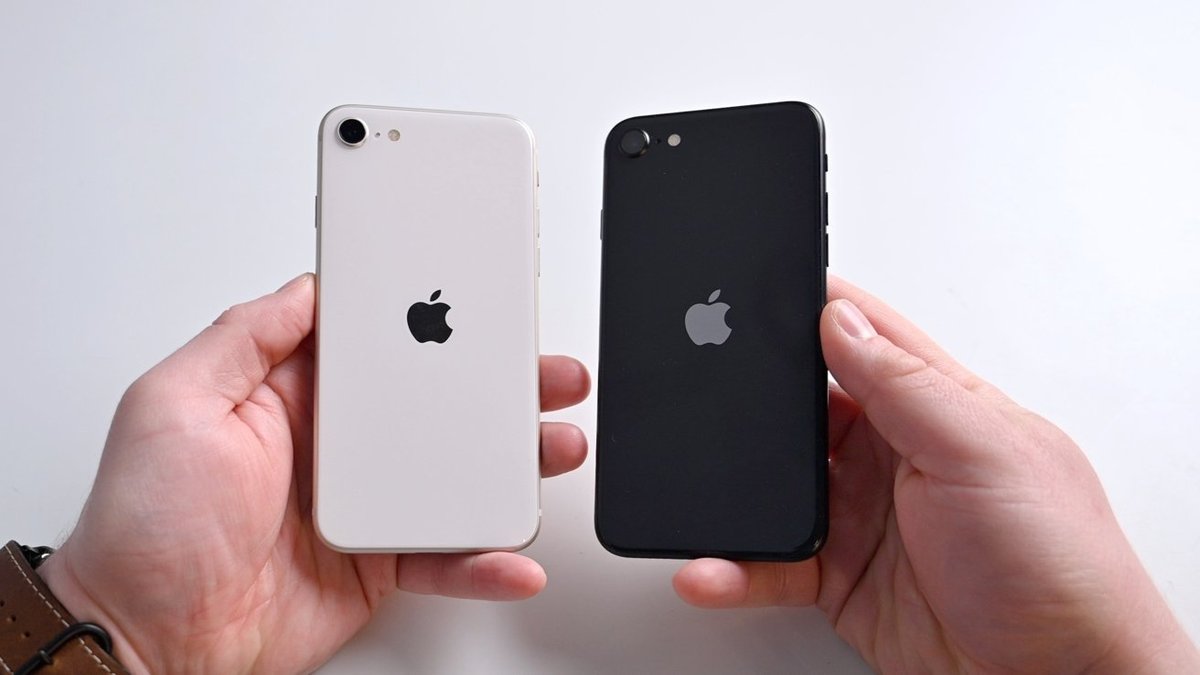
The iPhone, a device that redefined mobile technology, has seen an astonishing journey from its humble beginnings in 2007 to the sophisticated devices of today. But amidst the grand spectacle of flagship innovations and ever-increasing screen sizes, Apple carved out a unique niche for those who appreciate power in a more compact, more accessible package: the iPhone SE. This Super Pillar hub is your definitive guide to understanding the iPhone SE series, tracing its lineage, and seeing how it stands apart within Apple's vast smartphone legacy.
From the very first iPhone with its simple internet capabilities, through the introduction of the App Store with the iPhone 3G, the Retina display of the iPhone 4, and the groundbreaking Face ID on the iPhone X, Apple has consistently pushed boundaries. Yet, the desire for a familiar form factor, combined with modern performance, paved the way for the iPhone SE. It represents Apple's strategic move to offer cutting-edge internal technology within beloved, classic designs, keeping the iPhone experience within reach for a wider audience.
The Genesis of the SE: Apple's Strategy for Value and Form Factor
Apple's iPhone lineup has dramatically expanded over the years, moving from single annual releases to a diverse portfolio of models. While the main series embraced larger screens, dual cameras, and later, new forms like the Dynamic Island, a segment of users still yearned for the comfort of a smaller device and the tactile satisfaction of a physical Home button. This is where the iPhone SE series shines, offering a compelling blend of nostalgia and contemporary performance.
The "Special Edition" concept isn't just about a lower price point; it's about a deliberate design philosophy that prioritizes user preference for a particular form factor, especially for those who found the ever-growing flagship iPhones unwieldy. It's about bringing the latest processing power and camera intelligence to a design that many found perfectly ergonomic.
The Pioneer: iPhone SE (1st Generation)
The story of the iPhone SE began on March 31, 2016. At a time when Apple's main line had already moved to the larger 4.7-inch iPhone 6s, the first-generation SE made a bold statement by reintroducing the beloved 4-inch design reminiscent of the iPhone 5s. This wasn't just a re-release; it was a potent combination, packing the powerful internal specifications of the then-current iPhone 6s into that compact, familiar body.
It carved out its own space by offering premium performance without the premium price tag of a flagship, though it did forgo features like 3D Touch to maintain its affordability. For anyone curious about the details of this groundbreaking device, we've got you covered with an in-depth iPhone SE (1st Gen) Overview.
A Modern Classic: iPhone SE (2nd Generation)
Four years later, on April 24, 2020, Apple revived the SE line with the second-generation model. This time, the beloved design was borrowed from the iPhone 8, bringing a 4.7-inch Retina HD display and, crucially, retaining the Home button with Touch ID. It was a conscious choice to appeal to users who preferred this classic interaction method over Face ID, which had become standard on flagship models since the iPhone X.
Under the hood, the iPhone SE (2nd Gen) was far from dated. It featured the A13 Bionic chip, the same powerhouse found in the iPhone 11 series, delivering exceptional speed and efficiency. This allowed for an advanced camera system with Portrait mode and Depth Control, HD video recording, and the convenience of wireless charging, all at a remarkably competitive price. To truly grasp its impact and specifications, dive into our iPhone SE (2nd Gen) Overview.
5G and Beyond: iPhone SE (3rd Generation)
The most recent iteration, the iPhone SE (3rd Generation), made its debut on March 8, 2022. Sticking with the successful 4.7-inch form factor and the reassuring presence of the Home button with Touch ID, Apple brought the SE into the modern era with a significant upgrade: 5G connectivity. This ensured the device was future-proof, connecting users to the fastest mobile networks available.
Powering this iteration was the formidable A15 Bionic chip, identical to the one found in the flagship iPhone 13 series. This meant the 3rd Gen SE offered not just incredible speed, but also enhanced computational photography features like Deep Fusion, alongside Portrait mode and Depth Control. It continued the SE's legacy of delivering long battery life and top-tier performance at a compellingly low price. For a full breakdown of its capabilities and how it compares, you can Read our iPhone SE review Explore.
Understanding the SE's Place in the iPhone Lineup
The iPhone SE series isn't just a collection of affordable phones; it's a testament to Apple's adaptability in a diverse market. While the main iPhone line has consistently grown in size and complexity—introducing features like the Dynamic Island, multiple camera lenses, and more advanced chipsets—the SE has consistently offered a counter-narrative. It proves that there's still a strong demand for powerful, compact smartphones, especially for users who value familiar aesthetics and proven functionality.
These models serve a vital role, acting as an entry point into the Apple ecosystem, a reliable upgrade for those on older devices, or simply the preferred choice for anyone not wanting the latest, largest, or most expensive iPhone. The evolution of the iPhone SE models showcases how Apple continuously refines its budget-friendly strategy without compromising on core performance. You can See iPhone SEs complete evolution and how it stacks up against its siblings and the broader iPhone timeline.
The core distinction of the SE has always been its internal muscle within an external shell that's one or two generations older than the current flagship. This strategic design choice allows Apple to streamline production, maintain lower costs, and offer a powerful device that stands the test of time, without needing to develop a completely new form factor. If you're pondering which generation might be right for you, or simply want to understand the nuanced differences between them, we highly recommend you Explore iPhone SE Generations with our dedicated guide.
The Broader iPhone Journey: Context for the SE
The iPhone SE's journey is best appreciated when viewed against the backdrop of the entire iPhone evolution. From the initial 16 GB model of 2007 to the multi-camera, 1 TB powerhouses of today, Apple has released an astounding 51 iPhones by 2025. Each generation brought significant advancements: the App Store, LTE, Touch ID, larger screens, advanced cameras, Face ID, USB-C, and even satellite connectivity. The iPhone SE has consistently integrated the cutting-edge chips and camera smarts from these flagship lines into its distinct package.
Consider the leap from the iPhone 5's 4-inch screen to the significantly larger iPhone 6 and 6 Plus, or the dramatic design shift with the iPhone X. Amidst these changes, the SE offered a consistent alternative. While main models like the iPhone 14 Pro introduced the Dynamic Island and 48 MP cameras, the SE (3rd Gen) still delivered excellent performance and camera capabilities for its price point, demonstrating Apple's commitment to diverse user needs. The expected integration of Apple Intelligence across future models, including budget-friendly options like the announced iPhone 16e, signals a future where advanced AI will become ubiquitous, likely shaping the next chapter for the SE line.
What the Future Holds for the iPhone SE
While the iPhone SE series is currently listed as discontinued by Apple (referring to the series as a whole once a new model isn't immediately available), the pattern of staggered releases suggests that future iterations are always a possibility. With each new generation of the flagship iPhones, new technologies become more affordable to integrate into mid-range devices. The strategic placement of the iPhone 16e, announced independently in 2025 as a budget model featuring a 6.1-inch OLED display, Apple Intelligence, and an A18 chip, indicates a potential evolution or even a replacement for the classic SE form factor.
Whether the "SE" name continues with its classic Home button design or transforms into something akin to the iPhone 16e with a larger screen and a notch, one thing remains clear: Apple recognizes the demand for a powerful, accessible iPhone. The spirit of the SE — bringing advanced Apple technology to a more budget-conscious or form-factor-preferring audience — is likely to endure, adapting to market trends while upholding its core promise of value. The journey of the iPhone SE generations is a fascinating subplot in Apple's grand narrative, and we eagerly await its next chapter.