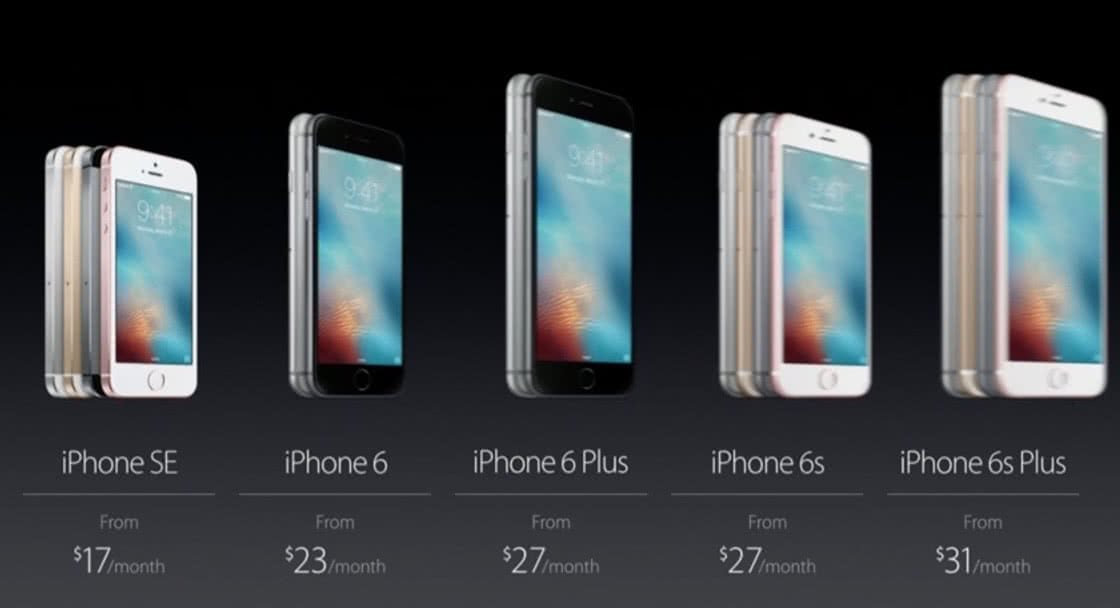
Choosing an iPhone can feel like navigating a tech labyrinth, especially when you're seeking that sweet spot between Apple's premium experience and a budget-friendly price tag. This is where the iPhone SE shines. Designed for those who appreciate a compact form factor, a physical home button, and reliable performance without breaking the bank, the SE line offers a compelling alternative to the flagship models.
But with multiple generations sporting the "SE" moniker, how do you know which one truly fits your lifestyle? This iPhone SE Generations Comparison Guide will cut through the noise, helping you understand the subtle yet significant differences between each release. We’ll delve into the specs, assess the real-world performance, and highlight the unique benefits of each model so you can confidently pick your ideal device.
At a Glance: Understanding the iPhone SE's Appeal
Before we dive deep, here's a quick overview of what makes the iPhone SE a perennial favorite:
- Affordable Entry to Apple's Ecosystem: The SE offers genuine Apple quality and performance at a more accessible price point than mainline iPhones.
- Compact Design: Perfect for one-handed use and slipping into smaller pockets, appealing to those who find modern phones too large.
- Familiar Home Button with Touch ID: For users who prefer fingerprint authentication and a physical button over Face ID and gesture navigation.
- Powerful "A-Series" Chips: Each generation packs a top-tier chip from its contemporary mainline iPhone, ensuring strong performance for everyday tasks and even demanding apps.
- Excellent Single Camera System: While lacking multiple lenses, the SE's single camera benefits from Apple's advanced computational photography.
- Long-Term Software Support: iPhone SE models typically receive iOS updates for many years, ensuring longevity and access to the latest features.
Why the iPhone SE Still Captures Hearts (and Wallets)
In an era of ever-expanding screens and increasingly complex camera arrays, the iPhone SE stands out by embracing simplicity and value. It's Apple's answer for users who value function over frills, or perhaps just prefer a smaller device. According to Simplymac's overview of iPhone models, the SE consistently remains a "compact option" and "more affordable" choice within Apple’s diverse lineup. It’s not just a budget phone; it’s a deliberate design choice that harks back to earlier iPhone aesthetics while delivering modern performance.
For many, the physical home button and Touch ID are deal-makers, providing a familiar and often faster way to unlock their device or authorize payments compared to Face ID, especially in situations like wearing a mask. The SE also democratizes Apple's powerful A-series processors, bringing flagship-level speed to a mid-range price point. This makes it an excellent choice for first-time iPhone users, those upgrading from much older models, or anyone seeking a reliable secondary device.
The iPhone SE Lineage: A Quick History Lesson
The iPhone SE story began as a re-imagining of a classic, blending beloved designs with updated internals. It's a strategy Apple has successfully revisited, offering users a bridge between the past and present.
The Original Game Changer: iPhone SE (1st Generation, 2016)
The first iPhone SE, released in 2016, was a nostalgic nod to the iPhone 5S design, complete with its iconic 4-inch display and chamfered edges. Inside, it boasted the powerful A9 chip, the same silicon found in the iPhone 6S. This combination of a small, beloved form factor and potent performance made it an instant hit, especially for those who felt the iPhone 6 and 6S were too large. CNET highlighted its core appeal: Apple's quality at an affordable price, utilizing the "A9 processor (similar to the iPhone 6S)."
The Modern Comeback: iPhone SE (2nd Generation, 2020)
Four years later, Apple revived the SE line with the 2nd Generation in 2020. This model adopted the iPhone 8's design, featuring a slightly larger 4.7-inch Retina HD display, yet still retaining the physical home button and Touch ID. The biggest leap was under the hood, with the blazing-fast A13 Bionic chip, matching the performance of the iPhone 11 series. CNET noted this model's "A13 Bionic chip (similar to the iPhone 11 Pro)," signaling a significant jump in processing power and camera capabilities.
The 5G Powerhouse: iPhone SE (3rd Generation, 2022)
While the provided context research focuses mainly on the 2016 and 2020 models, it did mention a "third-generation iPhone SE was rumored to feature Face ID, 5G, and Apple's A15 processor." The actual 3rd Generation iPhone SE, released in 2022, brought some of those rumors to life. It retained the 4.7-inch iPhone 8-style design and Touch ID (no Face ID), but packed the formidable A15 Bionic chip (the same as the iPhone 13 lineup) and, crucially, 5G connectivity. This model is Apple's most recent iteration, offering remarkable speed and future-proofing in a classic package.
Head-to-Head: iPhone SE Generations Compared
Let's break down the key differences across the three generations, helping you discern where each model truly excels.
Design & Display: Form Factor Consistency with Subtle Growth
All iPhone SE models prioritize a compact design and feature a physical home button with Touch ID. However, there's a clear evolution in screen size and build.
- iPhone SE (1st Gen, 2016): The smallest of the bunch, it sports a 4-inch LCD Retina display. Its design is sharp, with flat sides and chamfered edges, reminiscent of the iPhone 5S. It's truly pocket-friendly and ideal for minimalists.
- iPhone SE (2nd Gen, 2020): This generation adopts the iPhone 8's chassis, bringing a 4.7-inch LCD Retina HD display. While still compact, it's notably larger than the original. The design is softer, with rounded edges and an all-glass front and back (though the frame is aluminum), enabling wireless charging.
- iPhone SE (3rd Gen, 2022): Physically identical to the 2nd Gen, it also features a 4.7-inch LCD Retina HD display and the iPhone 8's design. The key difference here is under the hood, not in its visual presence.
| Feature | iPhone SE (1st Gen, 2016) | iPhone SE (2nd Gen, 2020) | iPhone SE (3rd Gen, 2022) |
| :------------- | :------------------------ | :------------------------ | :------------------------ |
| Display Size | 4.0-inch | 4.7-inch | 4.7-inch |
| Display Type | Retina LCD | Retina HD LCD | Retina HD LCD |
| Design | iPhone 5S style | iPhone 8 style | iPhone 8 style |
| Home Button | Yes (Touch ID) | Yes (Touch ID) | Yes (Touch ID) |
| Materials | Aluminum & Glass | Glass & Aluminum | Glass & Aluminum |
| Water Resist.| None | IP67 | IP67 |
Performance Powerhouse: Chips That Define Generations
This is arguably the most significant differentiator. Each new SE generation has brought a substantial upgrade in processing power, leveraging chips from Apple's flagship lines of the time.
- iPhone SE (1st Gen, 2016): A9 Chip. The A9 was a powerhouse in 2016, comparable to the iPhone 6S. It handles basic tasks and many apps well, but will show its age with more demanding games, complex video editing, or multitasking. Simplymac's comparison notes that older processors, while cost-saving, won't match the speed of the latest.
- iPhone SE (2nd Gen, 2020): A13 Bionic Chip. A monumental leap from the A9. The A13 Bionic, also in the iPhone 11 series, offers incredible speed and efficiency. It breezes through everyday apps, demanding games, and intensive photo/video editing. This chip ensures a smooth experience for years to come.
- iPhone SE (3rd Gen, 2022): A15 Bionic Chip. Apple's most recent SE model packs the A15 Bionic, the very same chip found in the iPhone 13 lineup. This makes it an absolute performance beast, arguably overkill for its price point and compact size. It offers lightning-fast app launches, incredible gaming performance, and robust capabilities for machine learning and computational photography. This is truly "latest for speed," as Simplymac suggests.
Camera Capabilities: Single Lens, Smarter Processing
All iPhone SE models feature a single rear camera, a deliberate choice to keep costs down and maintain a classic aesthetic. However, Apple's computational photography ensures that each generation's single lens performs remarkably well.
- iPhone SE (1st Gen, 2016): 12MP rear camera. Capable of decent photos in good lighting, but lacks modern features like Portrait Mode.
- iPhone SE (2nd Gen, 2020): 12MP Wide camera. Benefits significantly from the A13 Bionic chip, enabling Portrait Mode (for people only), Smart HDR, and improved low-light performance compared to the original. CNET points out that its single camera is "most similar to the iPhone 11 Pro's standard zoom lens," highlighting its impressive quality.
- iPhone SE (3rd Gen, 2022): 12MP Wide camera. With the A15 Bionic, this camera pushes the boundaries of single-lens photography. It gains features like Photographic Styles, Deep Fusion for enhanced detail, and even better Smart HDR 4, resulting in superior image quality, especially in challenging conditions. Both the 2nd and 3rd Gen SE models offer 4K video recording up to 60fps.
Battery Life & Charging: Steady Improvements
Battery life has seen incremental improvements across generations, largely due to more efficient chips and slightly larger physical batteries in the newer models.
- iPhone SE (1st Gen, 2016): Decent for its size, but older battery technology means it might struggle through a full day of heavy use. No wireless charging.
- iPhone SE (2nd Gen, 2020): Benefits from the A13 Bionic's efficiency. Generally provides "all-day" battery life for average users. Introduces wireless charging and faster wired charging support (with a separate 20W adapter).
- iPhone SE (3rd Gen, 2022): The A15 Bionic chip offers even greater power efficiency, leading to the best battery life yet in an SE model. Expect significantly better longevity compared to the 2020 model, with the same wireless and fast wired charging capabilities. Simplymac notes that battery life "improves progressively" with new models.
Connectivity & Future-Proofing: Embracing 5G
Modern connectivity is crucial for a device's longevity. This is where the 3rd Gen SE truly distinguishes itself.
- iPhone SE (1st Gen, 2016): Limited to 4G LTE and older Wi-Fi standards. While functional, it's not equipped for the speeds of modern networks.
- iPhone SE (2nd Gen, 2020): Supports faster 4G LTE and Wi-Fi 6. Still highly relevant for most users today, but lacks 5G.
- iPhone SE (3rd Gen, 2022): The star feature here is 5G connectivity, providing faster download and upload speeds in compatible areas. It also supports Wi-Fi 6. For future-proofing your purchase, opting for a 5G-enabled device is a smart move, as Simplymac's buying guide advises choosing models likely to receive software updates for several years, which often aligns with newer processors and connectivity.
Storage Options & Pricing: Finding Your Sweet Spot
Storage needs vary greatly, and the SE lineup offers standard configurations.
- iPhone SE (1st Gen, 2016): Originally offered in 16GB, 32GB, 64GB, and 128GB. Now only available refurbished, storage options depend on what's in stock.
- iPhone SE (2nd Gen, 2020): Launched with 64GB, 128GB, and 256GB. However, as CNET noted, the 256GB option was later "removed after the iPhone 13 event," meaning current availability from Apple is limited to 64GB and 128GB.
- iPhone SE (3rd Gen, 2022): Available in 64GB, 128GB, and 256GB. For heavy users with lots of photos, videos, or apps, Simplymac recommends 256GB or more. For lighter use, 64GB or 128GB can suffice.
When it comes to pricing, the iPhone SE has always been Apple's most affordable new iPhone option. Naturally, older generations are even more budget-friendly, especially on the refurbished market. The 3rd Gen SE, while the most expensive of the SE line, remains significantly cheaper than new mainline iPhones. Simplymac's guide emphasizes that the "iPhone SE is more affordable, while iPhone 15 Pro Max is the premium option," and older models "are more affordable with solid performance."
Which iPhone SE Generation is Right for You? A Practical Decision Guide
Choosing your ideal iPhone SE boils down to balancing budget, performance needs, and desired features. Think of it as finding the perfect pair of shoes: the right fit for your journey. For a deeper dive into Apple's compact phone options, you can Explore iPhone SE generations.
The Vintage Enthusiast: iPhone SE (1st Gen, 2016)
- Who it's for: Someone craving the absolute smallest iPhone, deeply nostalgic for the iPhone 5S design, or needing a bare-bones secondary device.
- Pros: Ultra-compact, lowest cost (refurbished), classic design.
- Cons: Aging processor, likely no further iOS updates, limited battery life, no water resistance, no wireless charging.
- Best Use Case: As a temporary phone, an emergency backup, or for very light usage (calls, texts, basic web).
- Where to find it: Only refurbished market. Exercise caution regarding battery health.
The Modern Classic: iPhone SE (2nd Gen, 2020)
- Who it's for: The user who wants a modern iPhone experience without paying flagship prices, appreciates the Touch ID home button, and doesn't need 5G or multiple camera lenses.
- Pros: Excellent A13 Bionic performance (still very capable), good single camera, wireless charging, IP67 water resistance, more affordable than the 3rd Gen.
- Cons: No 5G, older design (large bezels), not as long-lasting battery as 3rd Gen SE, potentially fewer future iOS updates compared to 3rd Gen.
- Best Use Case: An everyday driver for most users, offering a great balance of features, performance, and price. Still a highly recommended option.
- Where to find it: Apple (64GB/128GB), carriers, and a robust refurbished market.
The Budget-Conscious Future-Proofer: iPhone SE (3rd Gen, 2022)
- Who it's for: Someone who wants the best performance, longest software support, and 5G connectivity in a compact, Touch ID-equipped package, without splurging on a mainline iPhone.
- Pros: Blazing-fast A15 Bionic chip, 5G connectivity, best battery life of any SE, IP67 water resistance, excellent single camera with advanced features, guaranteed longest software support.
- Cons: Still features the older iPhone 8 design (thick bezels), single camera, most expensive of the SE models.
- Best Use Case: The ideal choice for those buying new, wanting maximum longevity and performance from their compact iPhone investment.
- Where to find it: Apple, carriers, and major retailers.
Beyond the SE: When to Consider a Mainline iPhone
While the iPhone SE offers incredible value, it’s important to understand its limitations compared to Apple's mainline offerings (like the iPhone 13, 14, or 15 series). Sometimes, stepping up to a Pro model, or even a base mainline iPhone, is the right call for your needs, as Simplymac’s general iPhone comparison highlights.
You might want to look beyond the SE if you prioritize:
- OLED Display: For richer colors, deeper blacks, and higher contrast (Super Retina XDR displays on mainline iPhones).
- Face ID: If you prefer facial recognition and the modern, all-screen design without a home button.
- Multiple Camera Lenses: Ultra-wide, telephoto, and LiDAR scanners for greater photographic versatility and professional-grade features like ProRes video (iPhone 14/15 series).
- ProMotion (120Hz) Display: For incredibly smooth scrolling and responsiveness (iPhone 15 Pro/Pro Max).
- Cutting-Edge Design: Thinner bezels, Dynamic Island, and more premium materials like stainless steel or titanium (iPhone 15 Pro).
- Longer Battery Life: Flagship models often boast larger batteries and optimized chip performance for extended usage.
- Specific Features: Dynamic Island, crash detection, or always-on display found in the latest generations.
These features come with a higher price tag, but if they align with your daily usage and desired experience, they're worth considering as part of Simplymac’s feature evaluation.
Navigating the Purchase: Smart Tips for Buying Your iPhone SE
Once you've zeroed in on the right SE generation, here’s how to make a smart purchase:
- Define Your Budget and Needs: As Simplymac advises, "Consider your budget and personal requirements for performance, camera quality, and longevity." Be honest about what you'll actually use your phone for.
- New vs. Refurbished:
- New (2nd/3rd Gen): Offers full warranty, pristine condition, and latest battery health. Best if your budget allows.
- Refurbished (All Gens): Significant savings. Buy from reputable sources (Apple Certified Refurbished, major carriers, trusted retailers) that offer warranties and guarantee battery health. Avoid questionable sellers.
- Check for Deals: "Prices vary; check for special deals, trade-in offers, and retailer discounts," especially during new model releases or holidays, as Simplymac recommends. Carriers often have attractive subsidies or BOGO deals.
- Software Update Longevity: The newer the chip, the longer Apple typically provides iOS updates. The 3rd Gen SE (A15 Bionic) will receive updates for the longest, making it more "future-proof" in terms of software, aligning with Simplymac's advice to ensure "compatibility with iOS 17 or newer for longevity."
- Storage Consideration: Don't skimp on storage if you take many photos, videos, or download lots of apps. While 64GB can be managed with cloud storage, 128GB or 256GB provides much more peace of mind. Simplymac points out that "larger storage (256GB, 512GB, 1TB) is needed for heavy usage."
- Assess Accessories: All SE models use the Lightning port. Newer 2nd and 3rd Gen models support MagSafe accessories (though they don't have the magnetic array, they can still wirelessly charge with MagSafe chargers). Consider if you need new cases or chargers.
Common Questions About the iPhone SE
Let's address some frequently asked questions that come up when comparing iPhone SE generations.
Is the iPhone SE waterproof?
The iPhone SE 2nd Gen (2020) and iPhone SE 3rd Gen (2022) are water resistant with an IP67 rating, meaning they can withstand submersion in up to 1 meter of water for 30 minutes. The original iPhone SE (2016) has no official water resistance rating.
Does the iPhone SE have Face ID?
No, none of the iPhone SE generations have Face ID. All models feature a physical home button with Touch ID for biometric authentication.
How long will the iPhone SE receive software updates?
Apple is renowned for its long software support. Generally, iPhones receive 5-7 years of major iOS updates from their release date. The iPhone SE 3rd Gen (2022) with its A15 Bionic chip will likely receive updates for the longest, followed by the 2nd Gen (2020) with A13, and then the 1st Gen (2016) with A9, which has likely reached the end of its major update cycle (iOS 16 was its last major update, as implied by CNET's comment about older models facing limitations beyond iOS 16).
Can I still buy the older iPhone SE models new?
The iPhone SE 1st Gen (2016) is no longer sold by Apple or most major retailers new. The iPhone SE 2nd Gen (2020) is still sold new by Apple, though with limited storage options (64GB and 128GB, as CNET notes the 256GB option was removed). The iPhone SE 3rd Gen (2022) is widely available new. For older models, your best bet is the refurbished market.
Is the iPhone SE a good choice for gaming?
The iPhone SE 2nd Gen (2020) and especially the 3rd Gen (2022) are excellent for gaming. Their powerful A13 and A15 Bionic chips, respectively, can handle virtually any game on the App Store with smooth frame rates. The smaller screen might be a drawback for some players, but the raw performance is top-tier.
Making Your Choice with Confidence
Navigating the various iPhone SE generations might seem daunting at first, but by understanding your priorities—whether it's the smallest size, the best budget, or future-proof performance—the choice becomes clear. Each iPhone SE offers Apple's hallmark quality, robust performance for its price point, and a cherished compact design.
No matter which generation you choose, you're getting a reliable device that integrates seamlessly into Apple's rich ecosystem. Take a moment to consider your daily routine, your budget, and what truly matters most in a smartphone. With this comprehensive iPhone SE generations comparison guide, you're now equipped to make an informed decision and find the iPhone SE that truly feels like it was made for you.